

Blog
How to Choose the Best Disposable Vape: A Complete Beginner’s Guide

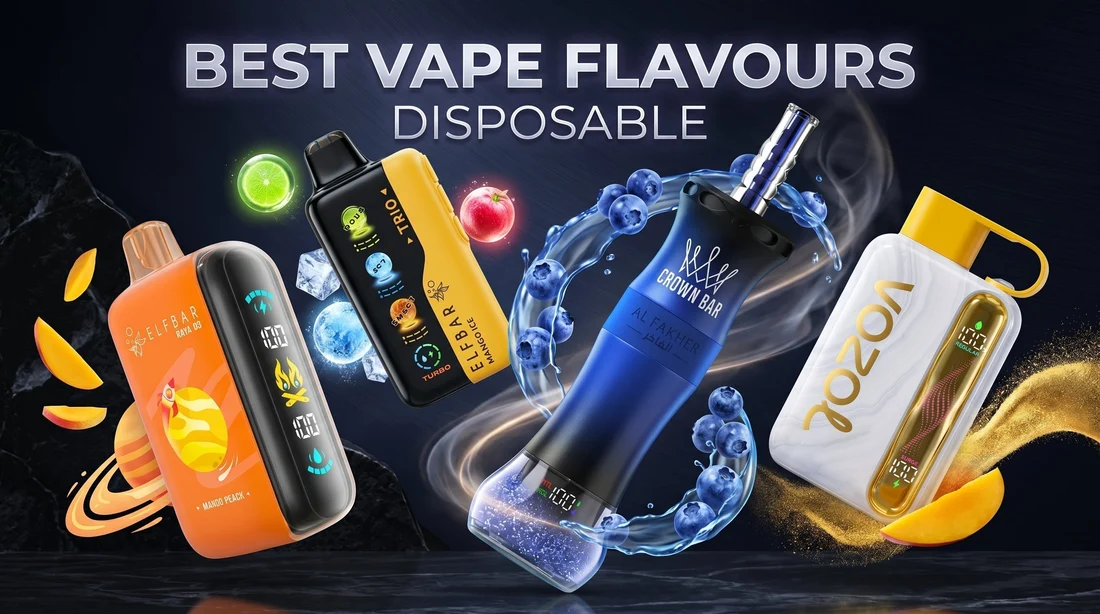
Choosing a disposable vape can be confusing because different products offer different flavours, battery capacities, designs, nicotine strengths, and advertised puff counts. Brands such as Tugboat, Pod Salt, Al Fakher, Waka, and other manufacturers may offer multiple models, making it important to understand what each specification means before making a decision.
The best approach is to compare product information carefully instead of choosing based only on popularity, appearance, or the highest advertised puff count. Authenticity, clear labelling, battery safety, and compliance with local regulations should all be considered.
Disposable vapes are not risk-free. Many contain nicotine, which is addictive. People who do not already use tobacco or nicotine should not start vaping. This guide explains the main product features and practical checks adults who already use nicotine can consider when evaluating products.
1. Check the Puff Count
One of the first details people notice is the advertised puff count. Disposable vape packaging may display figures such as 2,500, 6,000, 12,000, or higher.
The puff count is an estimate of how many puffs a device may provide under particular testing conditions. It is not a guaranteed number. Actual performance depends on puff duration, frequency of use, power settings, and the device’s design.
When comparing models, keep the following points in mind:
- A higher advertised puff count does not automatically mean better quality.
- Puff estimates may be calculated under conditions that differ from everyday use.
- Battery performance and e-liquid capacity can affect how long a device functions.
- Product claims should be checked against the manufacturer’s documentation.
Rather than relying exclusively on the puff count, examine the complete specifications and confirm that the product is authentic.
2. Understand Nicotine Strength
Nicotine strength is an important part of product labelling. It may be expressed as a percentage, in milligrams per millilitre (mg/ml), or in another format permitted in the relevant market.
For example, a label showing 20 mg/ml indicates the concentration of nicotine in the liquid, not the total amount absorbed by a user. Absorption varies with the device and usage pattern.
Before purchasing, check:
- The exact nicotine concentration.
- Whether the label clearly identifies nicotine content.
- Whether the product complies with the legal requirements in your location.
- Any health warnings and ingredient information.
Nicotine can cause dependence and is not harmless. Non-smokers and people who do not use nicotine should avoid starting. If you are trying to stop smoking, evidence-based smoking-cessation support can help you explore options.
3. Compare Flavour Information
Disposable vape products are often marketed with fruit, mint, dessert-inspired, beverage-inspired, or cooling flavour descriptions. Examples of flavour names across the wider market include watermelon, blueberry, grape, mango, strawberry, mint, and mixed berry.
However, flavour names do not always describe the full ingredient composition. Two products with similar names may taste different or use different formulations.
When reviewing flavour information:
- Read the complete product description.
- Check the ingredient list where available.
- Do not assume a flavour name confirms a particular ingredient.
- Avoid products with unclear or missing labelling.
- Remember that flavour descriptions are subjective and do not establish product safety.
A well-presented flavour list is useful for identifying the product, but it should not replace a check of the manufacturer’s details.
4. Check Battery Capacity and Charging
Some disposable-style vape devices have rechargeable batteries, while others are designed without a charging function. Rechargeable models may include a USB Type-C port, although the connector and battery specifications vary by product.
If a device is described as rechargeable, verify this information in the official documentation. Never assume that a charging port means a device is safe to recharge in every circumstance.
Important battery checks include:
- Confirming the specified charging method.
- Inspecting the device for cracks, swelling, leakage, or damage.
- Keeping the device away from water and extreme temperatures.
- Avoiding charging when the device shows signs of damage.
- Following the manufacturer’s charging and storage instructions.
Do not leave a device charging unattended or overnight. If it becomes unusually hot, swells, leaks, or produces an unusual smell, stop using it and follow appropriate battery-safety guidance.
5. Understand Coil Technology
Some disposable vapes use mesh coils, while others use different heating-element designs. Mesh coils use a mesh-style heating surface to heat the e-liquid.
Manufacturers may describe mesh technology as a feature associated with vapour production or flavour consistency. However, the coil type alone cannot guarantee a particular experience or establish that a product is safe.
When comparing coil specifications, check whether the information comes from the manufacturer and whether it refers to the exact model being considered. Avoid assuming that two devices with the same advertised coil type have identical performance.
Disposable devices generally should not be dismantled or modified. Follow the manufacturer’s instructions and do not attempt to replace internal parts unless the product is explicitly designed for that purpose.
6. Choose a Practical Design
The device’s shape and controls can affect how easy it is to carry and understand. Some models feature a simple body with an indicator light, while others include a digital display.
A display may show battery information or an estimated e-liquid level, depending on the model. These readings are useful indicators but may not be exact measurements.
When examining the design, check:
- Whether the model name matches the packaging.
- Whether the controls and indicators are explained in the manual.
- Whether the device has visible damage or loose components.
- Whether the dimensions and charging details match official specifications.
- Whether the product is supplied with clear safety instructions.
A complicated display or extra feature does not automatically make a product better. Reliable product information and sound construction matter more than appearance alone.
7. Verify Authenticity Before Buying
Counterfeit products may use copied branding, misleading specifications, or unreliable security labels. Purchasing from a reputable retailer and verifying the product can help reduce the risk of buying a counterfeit item.
Use these checks:
- Look for a manufacturer’s authentication code or security label, if provided.
- Verify the code using the manufacturer’s official system.
- Examine spelling, printing quality, batch details, and required warnings.
- Compare the product with official photographs and specifications.
- Ask the manufacturer to confirm the batch information if anything seems suspicious.
- Keep the purchase receipt and packaging.
A QR code that opens a website does not prove authenticity by itself. Likewise, attractive packaging cannot guarantee that a device is genuine.
Do not use a product if its identity cannot be verified or if it appears damaged, tampered with, or incorrectly labelled.
8. Consider Price and Product Value
Price can vary according to the model, retailer, market, and product features. A device with a higher puff count or digital display may cost more, but additional features do not necessarily indicate better manufacturing quality.
Compare the complete product information rather than choosing solely by price. Be cautious of unusually cheap products, especially when the seller cannot explain the product’s origin or provide a receipt.
A sensible comparison includes authenticity, clear specifications, legal compliance, and the availability of manufacturer support. Avoid relying on promotional claims that cannot be independently confirmed.
9. Check Local Regulations
Rules for selling, purchasing, possessing, and using vape products differ by country and can change over time. In the UAE, check the current requirements applicable to the product and seller before purchasing.
Verify that the product is legally marketed in the relevant location and that its packaging contains the required information and warnings. Do not assume that a product advertised online is automatically approved for sale in your area.
Follow age restrictions and rules governing where vaping is permitted. Keep all nicotine products away from children and pets.
10. Review Disposal Requirements
Disposable vape devices contain electronic components and batteries, and some contain residual e-liquid. They should not automatically be treated as ordinary household waste.
When a device reaches the end of its usable life, follow local electronic-waste and battery-disposal guidance. Do not puncture, burn, dismantle, or crush the device.
If a battery is swollen, leaking, or otherwise damaged, avoid handling it unnecessarily and seek advice from an appropriate battery-waste collection service.
Common Mistakes to Avoid
When comparing disposable vape products, avoid these common mistakes:
- Choosing a device only because it advertises the highest puff count.
- Assuming all products with the same flavour name are identical.
- Ignoring nicotine concentration and health warnings.
- Believing that a QR code alone proves authenticity.
- Charging a device without confirming that it is designed to be rechargeable.
- Buying from an unverified seller because the price is unusually low.
- Ignoring local product requirements and disposal rules.
Taking time to check the label and manufacturer information can help you make a more informed assessment of the product.
Frequently Asked Questions
What should I check first when comparing disposable vapes?
Start with the exact model name, authenticity, nicotine information, battery details, and manufacturer specifications. These provide a more reliable basis for comparison than promotional claims alone.
Is a higher puff count always better?
No. Puff counts are estimates and depend on testing conditions and usage patterns. A higher advertised figure does not guarantee better quality or a longer real-world lifespan.
Are rechargeable disposable vapes better?
Rechargeability is a product feature, not a guarantee of quality or safety. Confirm the charging instructions and battery specifications for the exact model.
How can I identify an original vape?
Use the manufacturer’s official verification process where available, check batch details, inspect the packaging, and buy from a reputable retailer. Contact the manufacturer if the product cannot be verified.
Are disposable vapes safe?
No vape product is risk-free. Nicotine-containing products can cause dependence, and vaping may expose users to harmful substances. People who do not use tobacco or nicotine should not start vaping.
Final Thoughts
Choosing a disposable vape involves more than comparing flavour names and advertised puff counts. Authenticity, accurate nicotine labelling, battery specifications, clear manufacturer information, and compliance with local regulations are all important considerations.
If you already use nicotine, review the product’s original packaging and official specifications carefully before making any purchasing decision. Avoid damaged or suspicious devices, follow all safety instructions, and dispose of electronic components responsibly. People who do not use tobacco or nicotine should not begin vaping.